Blast from the Past

Commemorating National Girl Scout Week in March. Flashback 1960s photo of a Girl Scout Parade in Jacksonville, Florida. This was my beloved Girl Scout Troop. Great memories of camping trips. Lasting friendships. Girl Scouts was founded in 1912 in Savannah, GA by Juliette Lowe. Girl Scouts is still going strong in the USA. Today, more than 2.6 million girls and adults participate in Girl Scouts. Were you a Brownie Scout and/or a Girl Scout? Remember singing this song at meetings? I sure do. The hand motions too. (Photo Credit: Ray Stafford)
The Brownie Smile Song - ©GSUSA
I've got something in my pocket,
it belongs across my face.
I keep it very close at hand,
in a most convenient place.
I'm sure you couldn't guess it
if you guessed a long, long while.
So I'll take it out and put it on,
it's a Great Big Brownie Smile!
__________________________________________________________
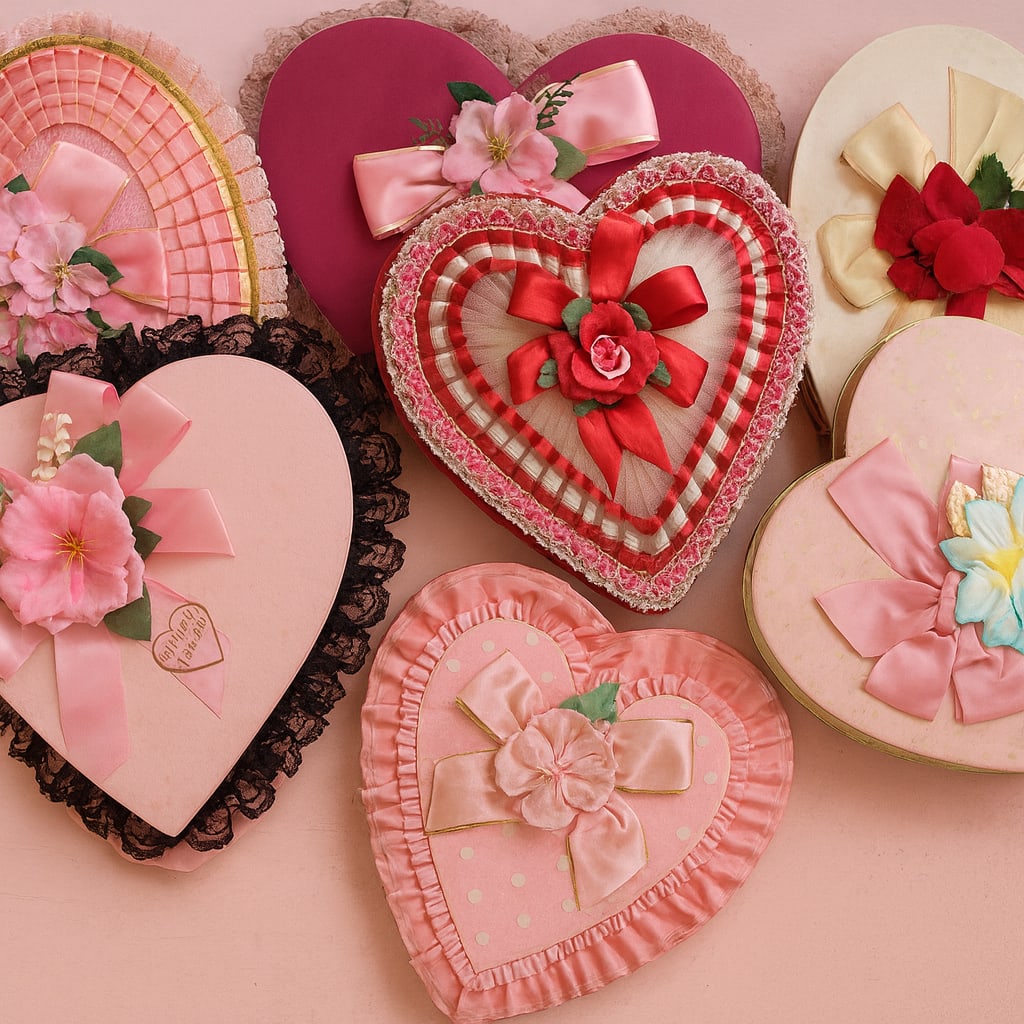
Heart-Shaped Boxes of Assorted Chocolates made it into the hands of another generation this Valentine's Day. Did you know that heart-shaped boxes date back to Victorian times? The box now synonymous with Valentine's Day was created by Richard Cadbury, of the famous British, Cadbury Chocolate Company. He first introduced "Fancy Boxes," in 1861. In 1868, heart-shaped boxes hit the market, and have been popular ever since. Since Cadbury did not patent his heart box idea, other chocolatiers around the world marketed their own versions. Cadbury's beautiful heart-shaped boxes were also marketed as keepsake boxes. Once the fancy chocolates were devoured, the decorative boxes were kept and used to save mementos, letters, and such.
Today 35-million or more, heart-shaped boxes of chocolates are sold for Valentine's Day gifts.
-----------------------------------------------------------------------
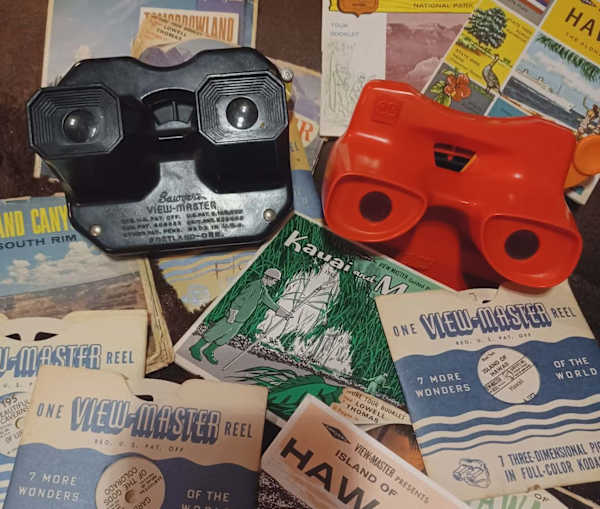
View Master, the hand-held, 3D, color slides viewer was developed in the 1930s. It debuted at the World’s Fair in New York in 1939, two years after the invention of Kodachrome film. The first reels sold were souvenirs of scenic, tourist attractions. The Grand Canyon, Florida Everglades, and other National Parks, Hawaii, European countries, and the Holy Land. Printed booklets about the size of a cardboard reel provided information, educating the viewer about each site or object in the 3D slide.
In the 1940s, the U.S. military acquired 100,000 View Masters and mega reels. They used them as instructional, educational tools in training the enlisted military..How about that?!
In the 1950s View Master acquired the rights to release reels of Disney characters and films, making it a popular toy for children. View Master was inducted into the National Toy Hall of Fame in 1999.
Today, shops on Etsy will make your photos into reels.
Long live the View Master. 87 years old..
(The photograph above is a sample of my vintage View Master collection, including a black bakelite viewer, given to our family by an elderly neighbor, many years ago.)
-------------------------------------------------------------------------
Ever wonder what the most popular Christmas gifts for children were 100 years ago? If you peaked under a Christmas tree in the 1920s, you’d most likely find one or more of these popular toys - Raggedy Ann, teddy bear, Tinkertoys, Lincoln logs, Radio Flyer wagon, Yo-Yos, pedal cars, slide whistle, and metal wind-up toys.
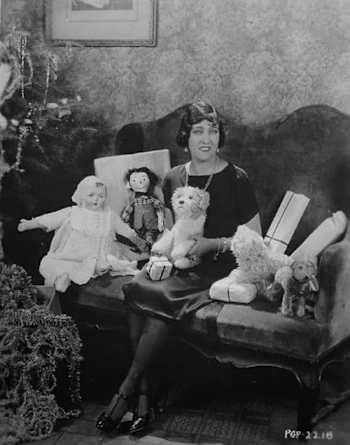
(photo credit: Movie star, Gloria Swanson, 1920s. www.Glamamor.com)
--------------------------------------------------------------------------
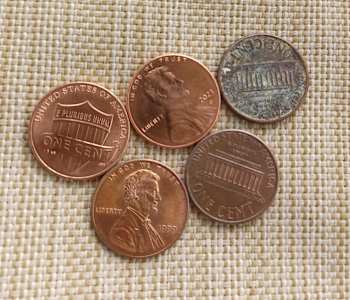
So Long Penny. We said goodbye to yet another familiar icon this week. First produced in 1793, for 232-years, the penny holds the record as the oldest, and longest circulating US coin.
On November 12, 2025, the US minted its last penny.
Abraham Lincoln’s likeness has appeared on the penny since 1909 - the 100th anniversary of his birth. Various Lincoln pennies were produced through the 116 years. Prior to that, the last coin not featuring Lincoln was Lady Liberty wearing a Native American, feather headdress. This coin was in production from 1859-1909. It's my personal favorite.
(Visit the source link below to see photos of every penny minted in the US.)
Source: https://www.businessinsider.com/last-penny-history-photos-2025-11#indian-head-cent-5
---------------------------------------------------------------------------------
Candy Corn with it’s iconic, corn kernel shape, and (white, orange, and yellow) trio of colors was one of the first candies marketed for the fall harvest season.
Did you know? “Chicken Feed,” the candy’s original name was invented in the 1880s by George Renninger. Later, in the 1950s, it became a popular Halloween candy.
Love it or hate it, candy corn is an enduring classic.

Fun Facts. CheeriOats cereal was invented in 1941. The name was changed to Cheerios in 1945.

In my middle-grade novel, Dakota Brave, set in 1947, boys cut Lone Ranger masks off the back of a Cheerios box to wear to a costume party. On the back of this vintage box, pictured above, kids could clip off a model of a frontier town.
Depending of the region and size of the box, Cheerios retailed for .15 to .45 cents a box in 1948. Today, this vintage box is offered on Ebay for $250.
------------------------------------------------------------------------------------------------------------------------------------
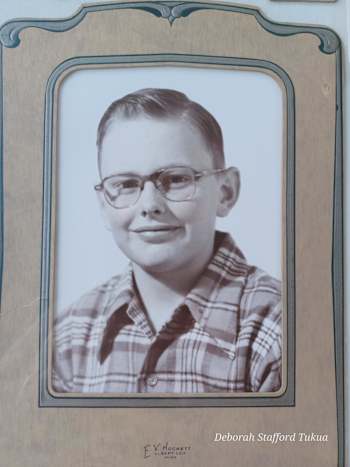
In Dakota Brave, one of the middle-grade books I'm writing, 10-year-old Victor's hair is combed back in what he describes as a spiffy wave. What was the hair style of the day? Hair swept upwards and back at the top, (known as a quiff), sleek with short sides. That's a super, swell, and spiffy school picture, Lowell!