Summer is synonymous with fireflies–nature’s quiet, light show. Fond childhood memories often include catching fireflies on summer evenings, while running barefoot in lush, green lawns. I hold these memories dear as our family sat on the porch and in lawn chairs conversing after dark, while us kids ran around the yard chasing lightning bugs. Wanting to keep mine a while longer, I put them in a glass jar to sit atop my bedside table. With my parents’ help, we poked holes in the jar lid, giving nature’s nightlights air to breathe.
But there’s one special evening of firefly ambiance, I cherish even more. Our wedding night. Honeymooning, early July at the sprawling, historic, Middleton Place in Charleston, South Carolina was breathtaking, a romantic dream come true. The gardens and butterfly ponds are gorgeous and the perfect setting for fireflies.
On a historical note, Middleton is an ideal destination for an Independence Day Holiday, since it was the birthplace and home of Arthur Middleton, a signer of the Declaration of Independence.
Back on our honeymoon, decades ago, I was thrilled to see lightning bugs flashing about as we took an evening stroll on the expansive grounds. Like a giddy girl, I swooped up a glassful, took them inside, turned down the lights, and set them free to fly about our lovely room. It was an enchanting evening.
Many of us plant flowers and shrubs in our yards to attract butterflies, honeybees, hummingbirds and more, but what can we do to encourage fireflies to our landscape? I’ve enjoyed their presence over the years, never considering their lifecycle or ideal habitat. Hearing their population is reducing in number, led me to learn more about the silent, summer showoff. I want to keep them around, so our grandchildren will continue to see them every summer.
What’s An Ideal Habitat for Fireflies? To attract and keep fireflies throughout its life cycle your yard needs these key elements: dark nights, tall grass, moist soil and leaf litter, and pesticide-free plants.
Dark Nights - Keep outdoor lights at a minimum, particularly in grassy areas, and near the edge of the woods. Consider using lights with motion detectors instead of flood lights and overhead strands of lights that stay on all night. Bonus, you’ll get a better view of the stars at night, too.
Tall Grass – Fireflies use tall grass as their launch pads. They take off and flash a morse code in lights, signaling potential mates. Avoid cutting your lawn too short and too often, to keep fireflies flying and thriving, at home.
Leaf Litter – and moist soil provides a haven for fireflies early in their lifecycle. When possible, leave an area unmanicured. Think of it as an incubator for raising beautiful moths, butterflies, and fireflies.
Random Facts About Fireflies to share while sitting outdoors in the evenings, admiring their iconic flashes of light.
1. Fireflies are light-emitting insects, a type of beetle.
2. There are about 2,000 species. Most species live at the border of forest or fields near standing water – ponds, lakes, marshes, streams, and rivers.
3. They thrive in warm, humid areas.
4. They are found on every continent, except Antarctica.
5. Their lifespan is 61 days.
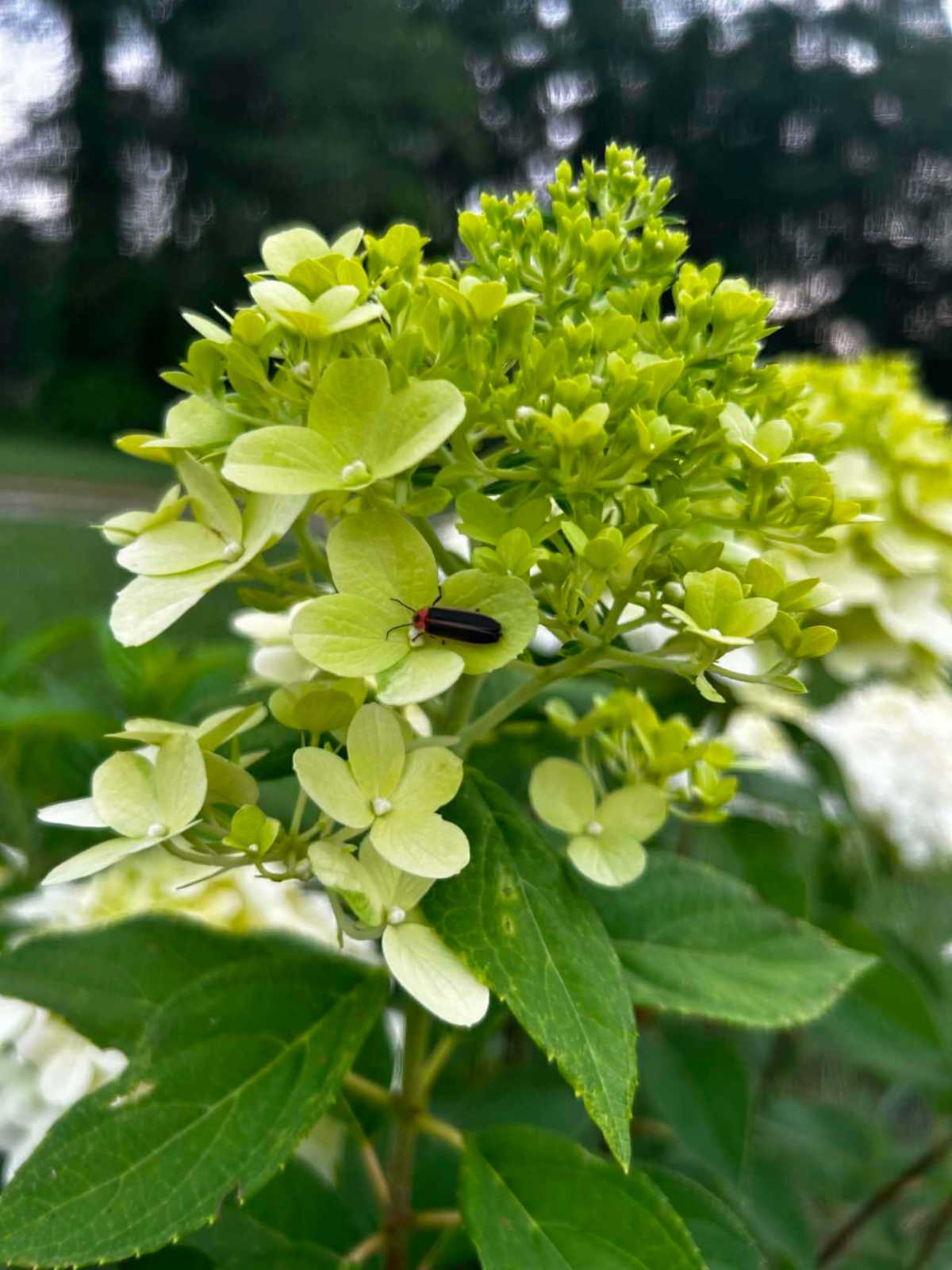
6. You may see one resting on a plant during the day, but they’re active at night.
7. These nocturnal creatures signal for a mate by flashing their light, as they fly from the grass to tree limbs.
8. Light pollution negatively affects fireflies. Over lighting outdoor, grassy areas at night makes it difficult for fireflies to find a mate.
9. Late May through July is the peak season for viewing the firefly light show.
10. A group of fireflies is called a sparkle or a glow. Since they're classified as beetles, they can also be referred to as a swarm.
Do you call them fireflies or lightning bugs? Have you seen fireflies in your yard this summer? If not, I encourage you to plan an evening under the stars and flashing fireflies soon.
By Deborah S. Tukua, author of Traveling the Natchez Trace Parkway from A to Z. Stay connected, join our list at www.deborahstukua.com
Photo by McKayleh Tukua.
About the Photo: Fireflies are easy to spot at night when they're flying and flashing about. Have you seen a firefly in the day light? This photo is a firefly resting on my limelight hydrangeas. Getting ready for the evening ahead.